Optimal Timing for Paver Maintenance
Proper timing of paver maintenance is essential for longevity and appearance. The optimal time depends on climate, usage, and specific maintenance tasks. Typically, inspecting pavers after harsh weather or heavy use ensures early detection of issues.
Spring is ideal for assessing winter damage and preparing pavers for the warmer months. It allows for cleaning, joint re-sanding, and sealing to protect against seasonal wear.
Following periods of intense use or adverse weather, inspecting pavers helps identify shifting, weed growth, or erosion that may require repair.
Before winter, sealing pavers and removing debris can prevent damage from snow and ice accumulation, preserving the surface.
Scheduling routine inspections every 1-2 years ensures pavers remain in good condition and minor issues are addressed promptly.
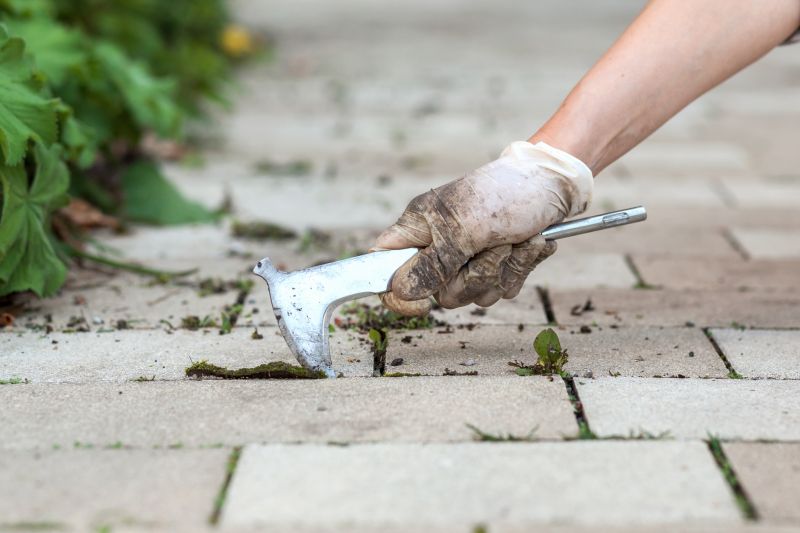
Ways to make Paver Maintenances work in tight or awkward layouts.
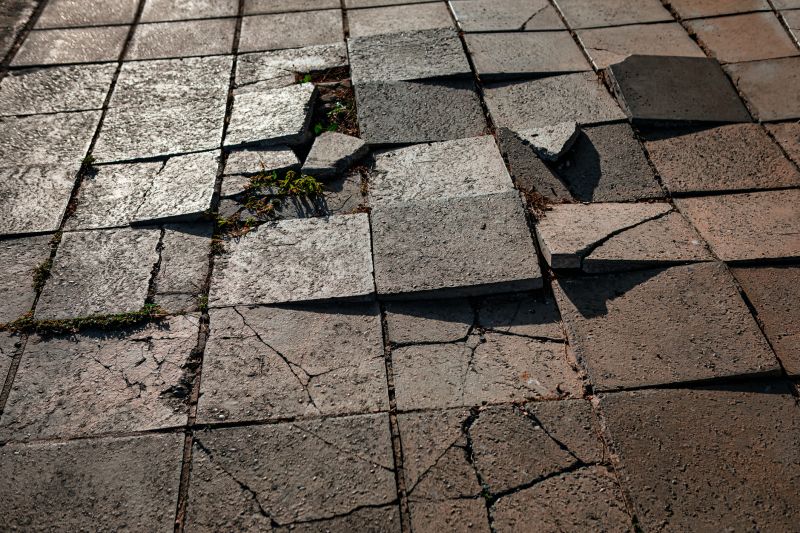
Popular materials for Paver Maintenances and why they hold up over time.
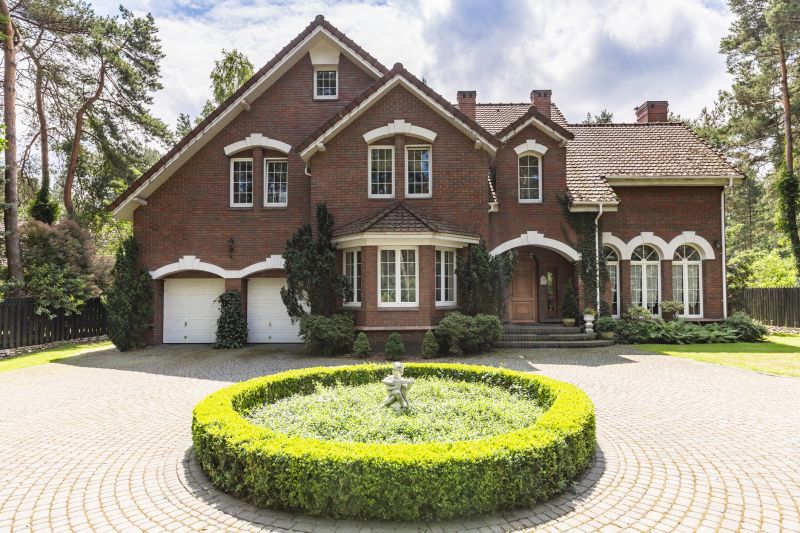
Simple add-ons that improve Paver Maintenances without blowing the budget.
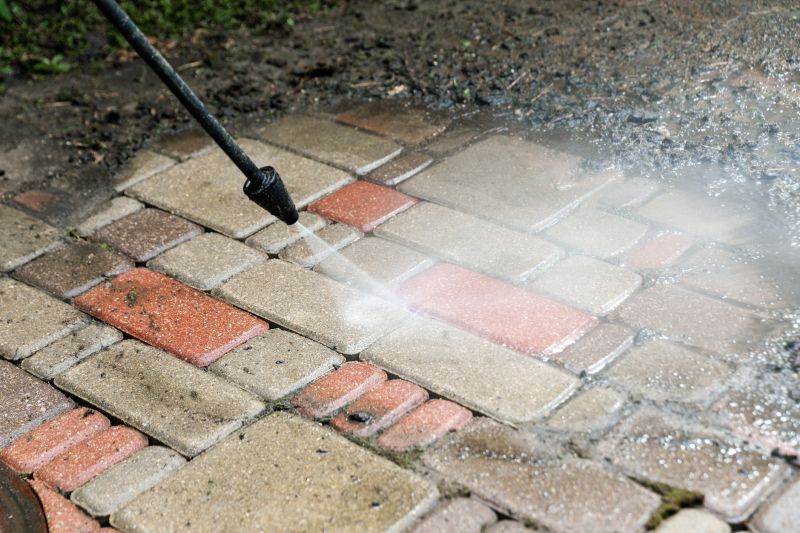
High-end options that actually feel worth it for Paver Maintenances.
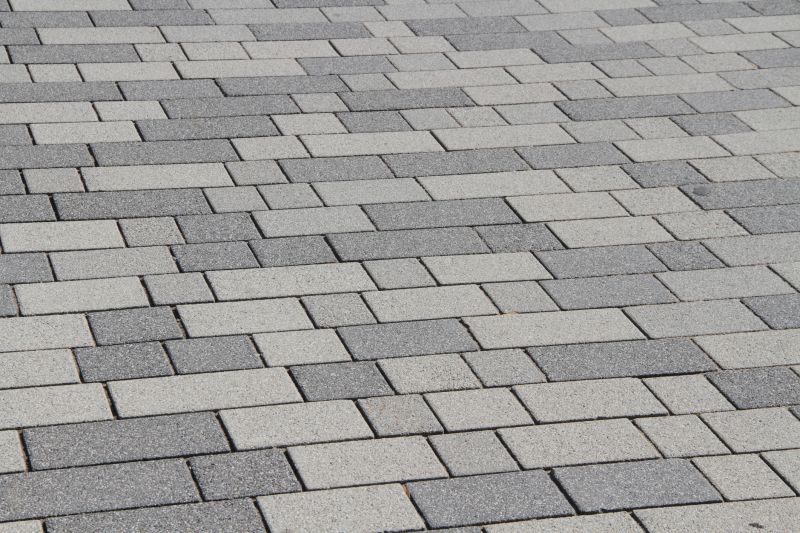
Finishes and colors that play nicely with Paver Maintenances.
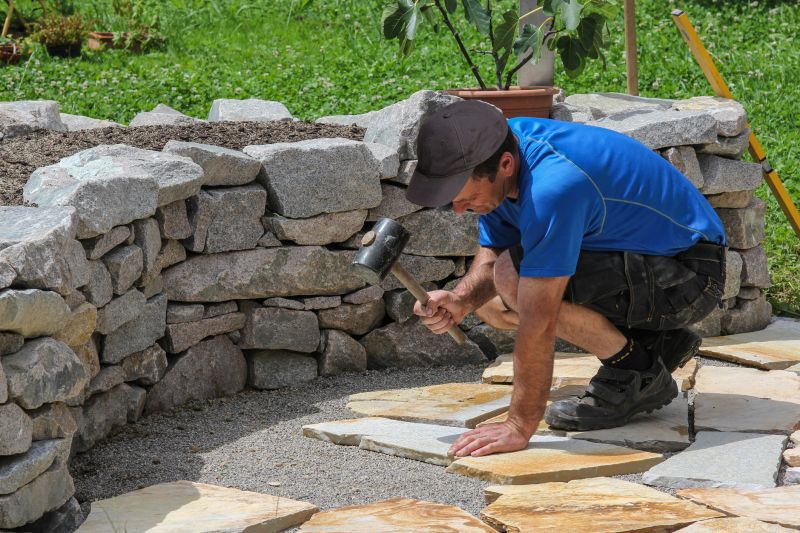
Little measurements that prevent headaches on Paver Maintenances day.
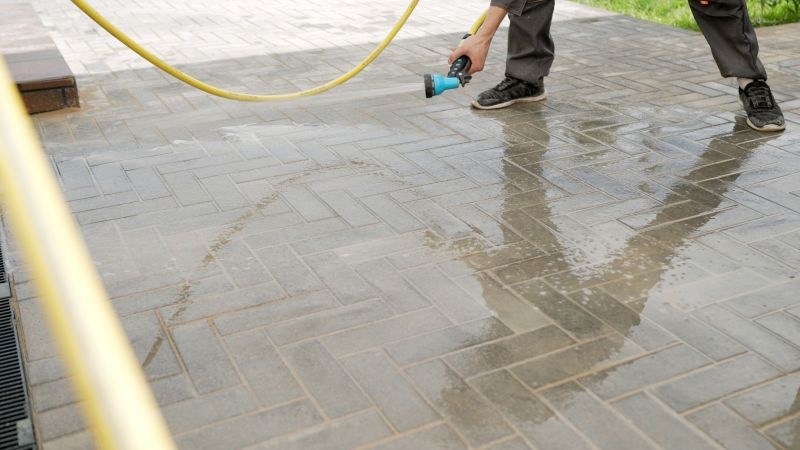
A 60-second routine that keeps Paver Maintenances looking new.
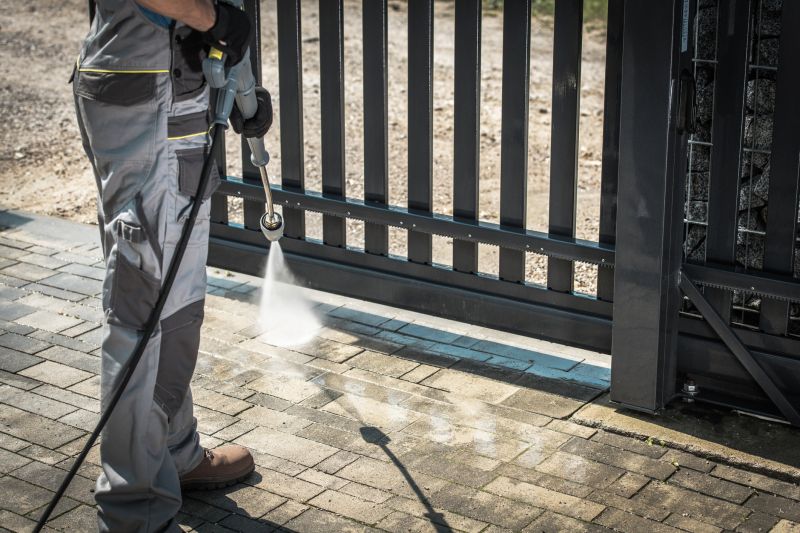
A frequent mistake in Paver Maintenances and how to dodge it.
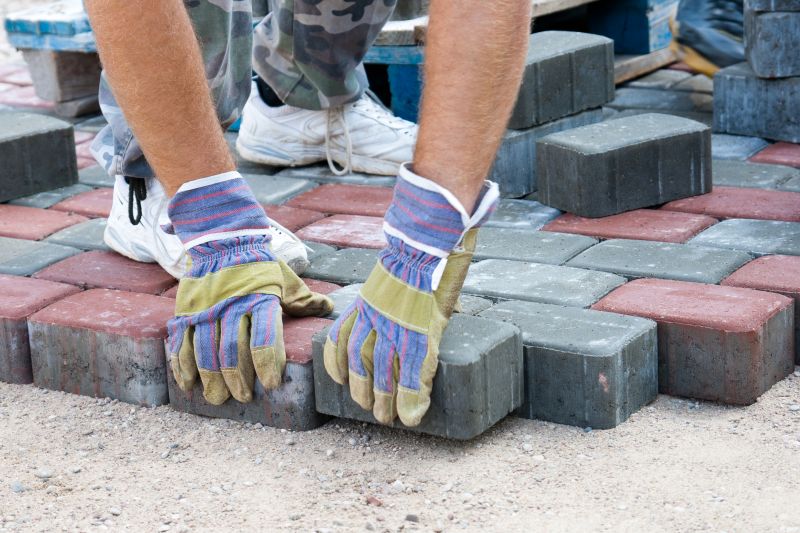
Small tweaks to make Paver Maintenances safer and easier to use.
| Maintenance Task | Recommended Timing |
|---|---|
| Cleaning debris and stains | Spring and after heavy use |
| Re-sanding joints | Spring and after winter |
| Sealing pavers | Pre-winter or early spring |
| Weed removal | Spring and as needed |
| Repairing shifting pavers | Post-storm or after winter |
| Inspecting for cracks | Annually or after extreme weather |
| Removing moss or algae | Spring and summer |
| Winter preparation sealing | Before winter |
Paver maintenance involves routine inspections, cleaning, sealing, and repairs to ensure durability and aesthetic appeal. Regular upkeep can extend the lifespan of pavers significantly. Statistics indicate that properly maintained pavers can last up to 25 years with minimal repairs, whereas neglect may lead to costly replacements within a decade. Seasonal maintenance aligns with weather patterns and usage cycles, minimizing damage caused by freeze-thaw cycles, moss growth, and debris accumulation.
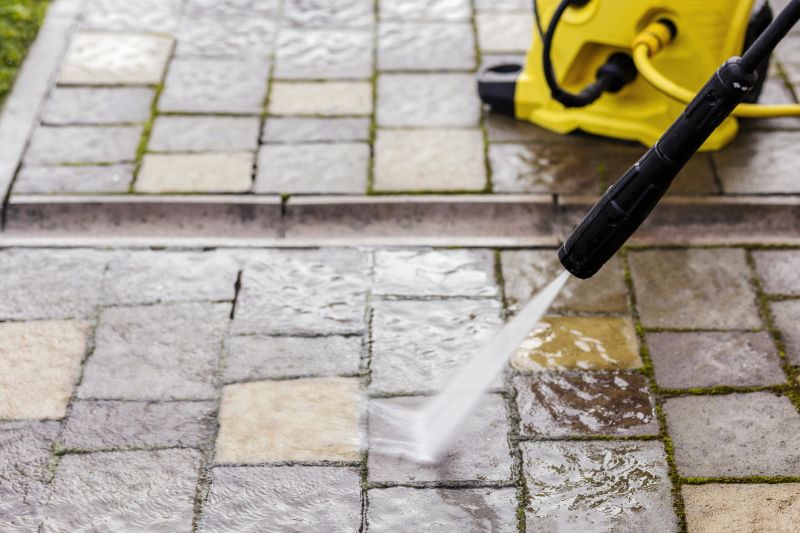
Lower-waste or water-saving choices for Paver Maintenances.
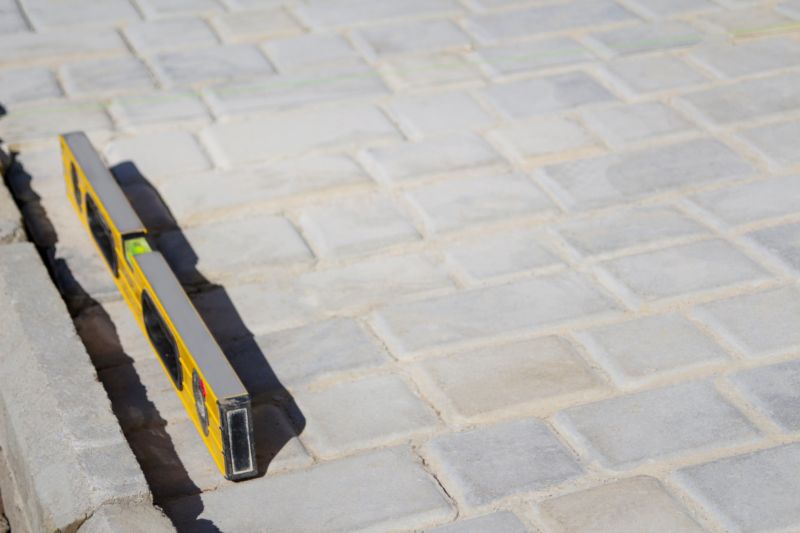
The short, realistic tool list for quality Paver Maintenances.
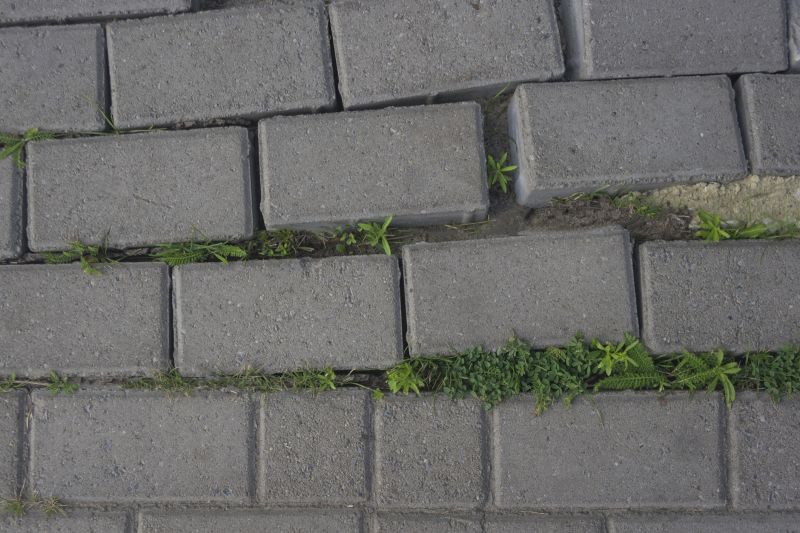
Rough timing from prep to clean-up for Paver Maintenances.
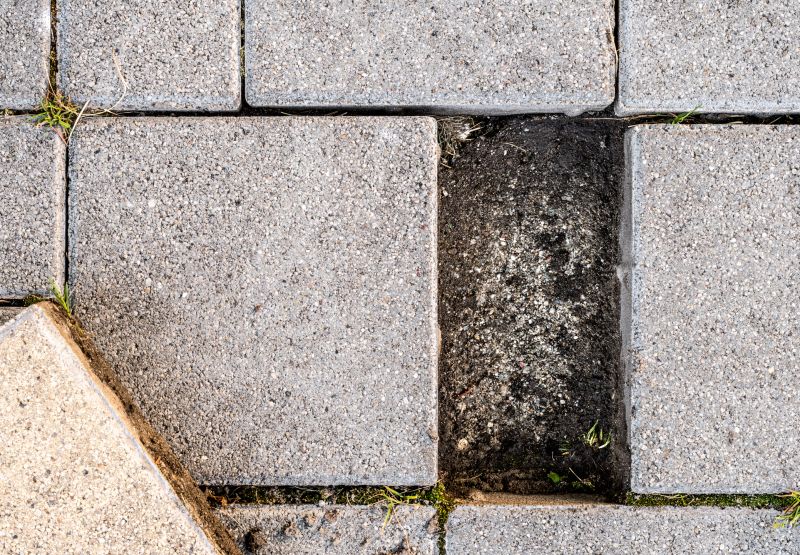
Quick checks and paperwork to keep after Paver Maintenances.
Maintaining pavers at appropriate times ensures their structural integrity and visual appeal. Proper timing reduces long-term costs and preserves the surface's functionality. Interested parties are encouraged to contact for more information or to schedule a consultation on paver maintenance services.